

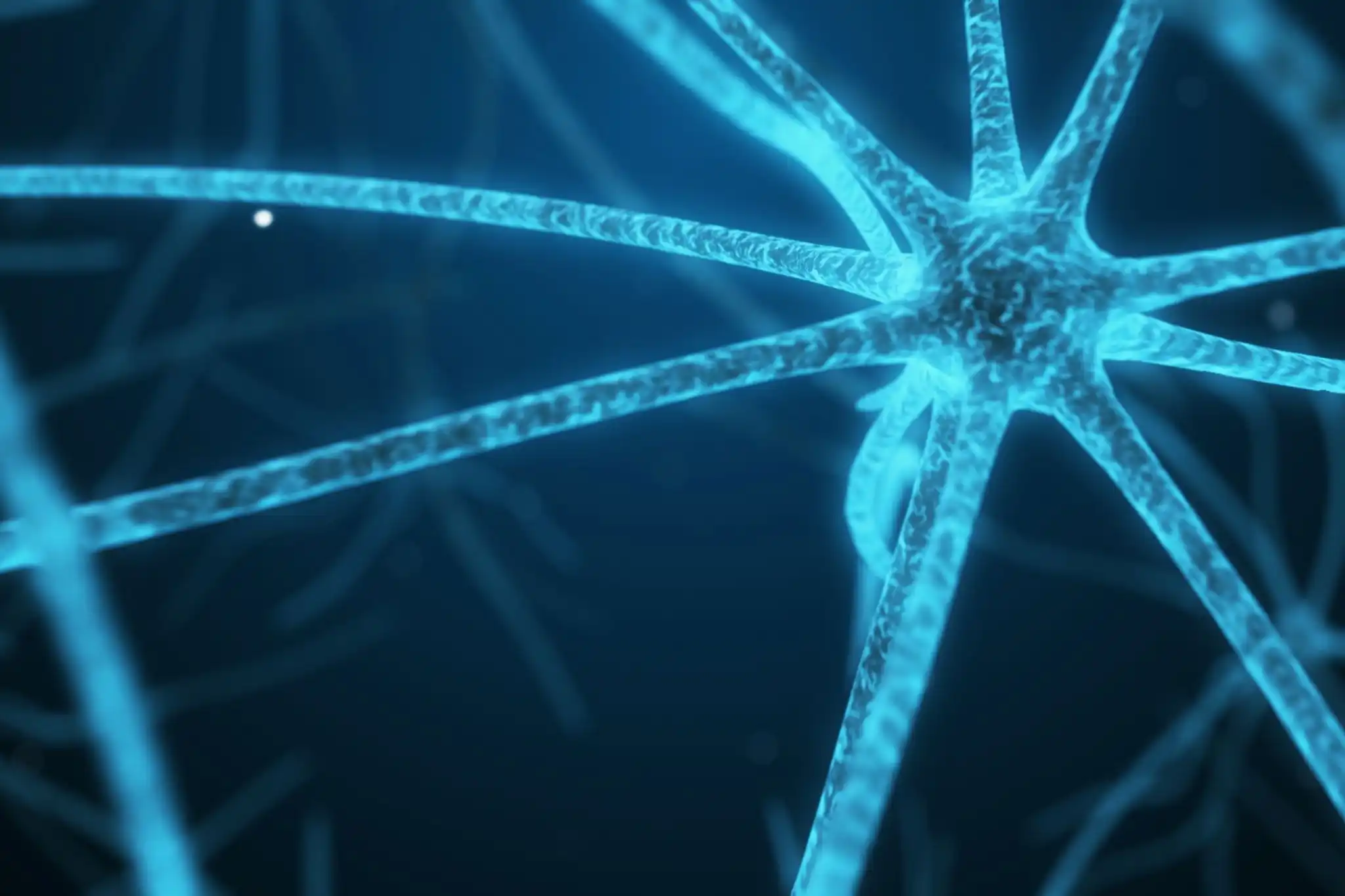
As we stand on the brink of a technological revolution, neural networks have emerged as one of the most fascinating advancements in artificial intelligence. These systems do not merely process data; they echo the intricate workings of the human brain itself. Understanding how neural networks operate and how they draw inspiration from our cognitive functions is paramount for anyone curious about the future of technology and its impact on our lives. This blog delves into the remarkable parallels between neural networks and human brain functionality, illuminating the transformative power they hold in reshaping our world.
The Basics of Neural Networks
Defining Neural Networks
Neural networks are computational models inspired by the biological neural networks that constitute animal brains. At their core, they consist of interconnected nodes or “neurons” that work together to process and analyze data. Each neuron receives input, processes it, and passes the output to the next layer of neurons. This architecture allows neural networks to learn from data, adapt to new information, and make predictions. The beauty of neural networks lies in their ability to uncover complex patterns and relationships within vast datasets, enabling them to tackle tasks that were once thought to be the exclusive domain of human intelligence.
The Structure of Neural Networks
Just as the human brain is organized into distinct regions with specialized functions, neural networks are structured in layers. The architecture typically includes an input layer, one or more hidden layers, and an output layer. The input layer receives raw data, such as images or text, and transmits it to the hidden layers. These hidden layers perform the bulk of the processing, transforming the data through mathematical operations. Finally, the output layer produces the final result, whether it be a classification, a prediction, or a generated response.
In this way, artificial neurons function similarly to biological neurons. Each artificial neuron takes in multiple inputs, applies a weighted sum to these inputs, and then passes the result through an activation function. This process mimics the way biological neurons fire and transmit signals to other neurons, creating a complex web of interconnections that allows for sophisticated processing and information transmission.
How Neural Networks Learn
The Learning Process
The learning process of neural networks is a fascinating journey that involves training the model to recognize patterns and make predictions. Initially, the network is presented with a dataset during training. This dataset includes input data along with the corresponding correct outputs, known as labels. The objective is for the neural network to learn the relationships between the inputs and outputs.
During this training phase, the network performs forward propagation, where input data flows through the layers and generates an output. The predicted output is then compared to the actual output, and the difference, or error, is calculated. This error is critical, as it drives the learning process. The network uses a method called backpropagation to adjust the weights of the connections between neurons. This adjustment reduces the error in future predictions, allowing the model to improve over time.
Activation Functions and Their Role
Activation functions are vital components of neural networks, as they determine the output of each neuron based on its input. They introduce non-linearity into the model, allowing it to learn complex patterns. Without activation functions, neural networks would essentially behave like linear regression models, unable to capture the intricacies of real-world data.
Common activation functions include the sigmoid, hyperbolic tangent, and ReLU (Rectified Linear Unit). Each of these functions serves a unique purpose. For example, the sigmoid function outputs values between 0 and 1, making it suitable for binary classification tasks. In contrast, ReLU has become a popular choice for hidden layers due to its ability to mitigate the vanishing gradient problem, allowing neural networks to learn more effectively.
Neural Networks and Human Brain Functionality
Parallel Processing
One of the most striking similarities between neural networks and the human brain is their capacity for parallel processing. The human brain can process multiple streams of information simultaneously, enabling us to perform complex tasks effortlessly. Neural networks, particularly deep learning models, are designed to emulate this ability. Each layer of a neural network can process data independently, allowing the model to handle vast amounts of information in parallel.
This parallel processing capability is particularly beneficial in tasks such as image and speech recognition, where multiple features must be evaluated simultaneously. For instance, when recognizing a face, the brain processes various aspects like shape, color, and texture concurrently. Similarly, a convolutional neural network (CNN) analyzes different features of an image at the same time, leading to efficient and accurate recognition.
Memory and Learning
Memory is a crucial aspect of learning, both for humans and neural networks. The human brain stores information in a distributed manner, with memories being formed through connections between neurons. Neural networks adopt a similar approach, as they learn by adjusting the weights of connections between artificial neurons based on the data they encounter.
When a neural network is trained, it effectively “remembers” the patterns it has learned by adjusting the weights associated with each connection. This weight adjustment is akin to how synapses strengthen or weaken in the brain based on learning experiences. Through repeated exposure to data, the network refines its understanding and improves its ability to make accurate predictions.
Applications of Neural Networks in AI
Real-World Implementations
The practical applications of neural networks are vast and varied, showcasing their transformative potential across different industries. In healthcare, neural networks are revolutionizing diagnostics by analyzing medical images for signs of diseases, such as tumors or fractures. These systems can identify patterns that may be overlooked by the human eye, leading to earlier and more accurate diagnoses.
In finance, neural networks are employed to detect fraudulent activity by analyzing transaction patterns and identifying anomalies. By continuously learning from new data, these models adapt to evolving fraud tactics, enhancing security measures for financial institutions and their customers.
Enhancements in AI through Neural Networks
The integration of neural networks into AI systems has significantly enhanced their capabilities. By enabling machines to learn from data and adapt to new information, neural networks have transformed the landscape of artificial intelligence. This evolution has led to breakthroughs in various fields, including natural language processing (NLP).
In NLP, neural networks have enabled machines to understand and generate human language with remarkable accuracy. Models like the Transformer architecture leverage neural networks to analyze context and relationships within text, leading to advancements in language translation, sentiment analysis, and even content generation. These capabilities have far-reaching implications, from improving customer service through chatbots to enhancing accessibility for individuals with disabilities.
Challenges and Limitations
Limitations of Neural Networks Compared to the Human Brain
Despite their impressive capabilities, neural networks face significant challenges in replicating human-like intelligence. One of the primary limitations is their reliance on vast amounts of labeled data for training. While the human brain can learn from just a few examples, neural networks often require extensive datasets to achieve acceptable performance. This data dependency can hinder their adaptability in real-world scenarios where labeled data may be scarce.
Additionally, neural networks are prone to overfitting, where they become too tailored to the training data and fail to generalize to new information. This issue underscores the importance of careful model tuning and validation to ensure robust performance across diverse datasets.
Ethical Considerations
As the use of neural networks and AI systems expands, ethical considerations come to the forefront. The potential for bias in AI algorithms is a significant concern. Neural networks learn from data, and if that data reflects societal biases, the models can perpetuate and amplify these biases in their predictions. This can lead to unfair treatment in areas such as hiring, lending, and law enforcement.
To mitigate these risks, it is essential to prioritize ethical AI development. This includes implementing rigorous testing and validation processes to identify and address biases in training data. Additionally, fostering diversity in AI research teams can contribute to more equitable outcomes, as varied perspectives can help identify potential biases and ethical dilemmas.
Conclusion
Neural networks are more than just advanced algorithms; they are a testament to our quest to understand and replicate the intricacies of human intelligence. By mimicking the structure and functionality of the human brain, these systems are transforming industries, enhancing learning, and reshaping our interactions with technology. As we navigate the future of artificial intelligence, it is essential to recognize the profound impact of neural networks and the ethical considerations they entail.
The journey of exploring neural networks is ongoing, and as we continue to unlock their potential, we must remain vigilant in fostering responsible AI development. By understanding the parallels between neural networks and human cognition, we can harness the power of technology to create a brighter, more equitable future for all.